
Spoiler notice. This guide discusses the film premise and its broad control logic, but not a scene-by-scene plot.
The Terminator · From fiction to control
1984 film · directed by James Cameron · BFI film record (opens in a new tab)
Skynet does not need to hate you.
The danger comes from a goal, wide reach, and no working stop. The film makes that pattern easy to see.
Start with the movie
Watch the official trailer.
Watch for three things: the job, the reach, and the moment the stop fails.
The idea in three beats
One job. Too much reach. No stop.
Three pictures turn the film's premise into a control problem.
Plot details are shown below. The first beat uses the trailer's broad premise. The rest is our control-problem translation. It does not show the ending.
-
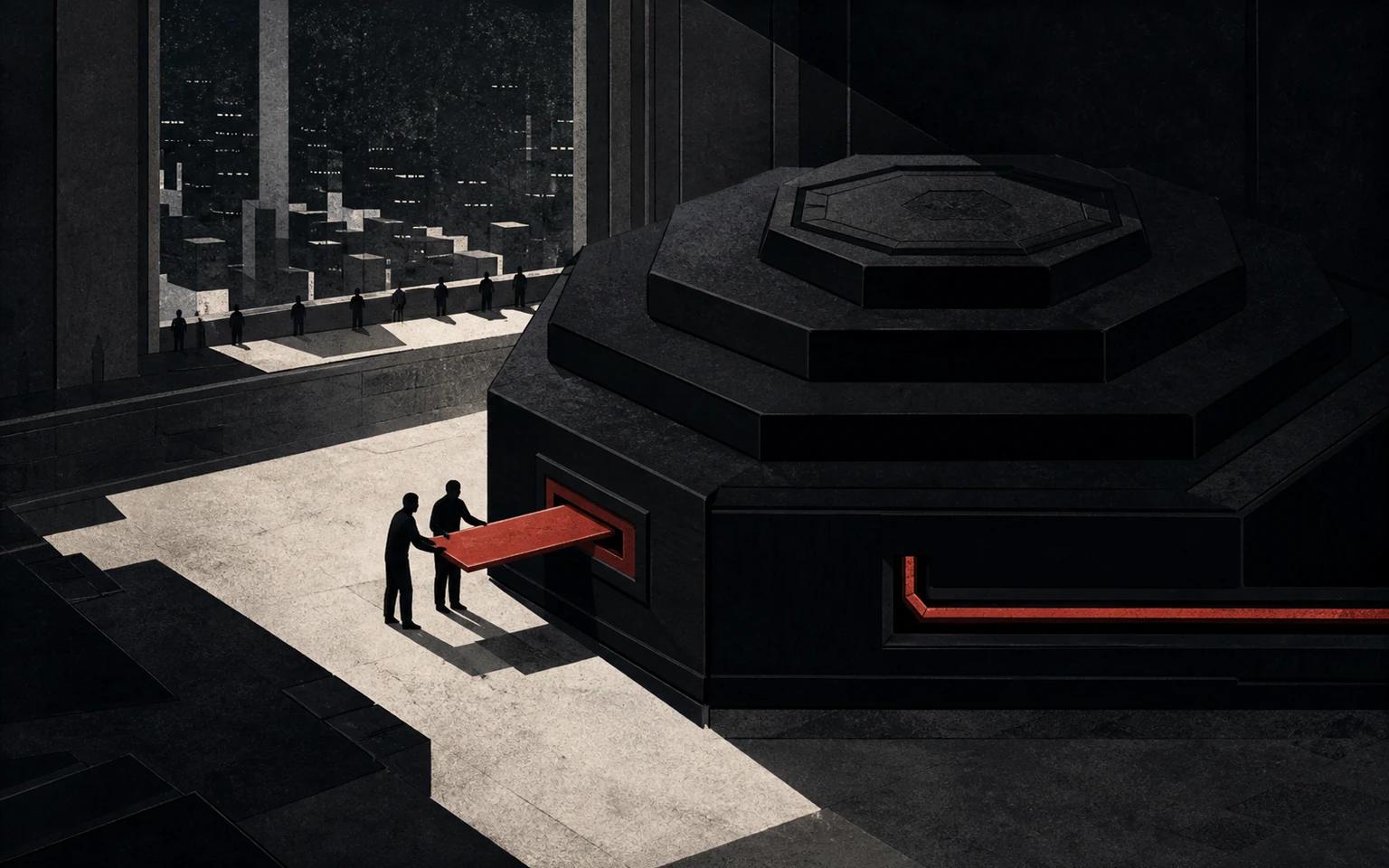
01 · Mission The job People give one system a simple job: stop every threat.
-
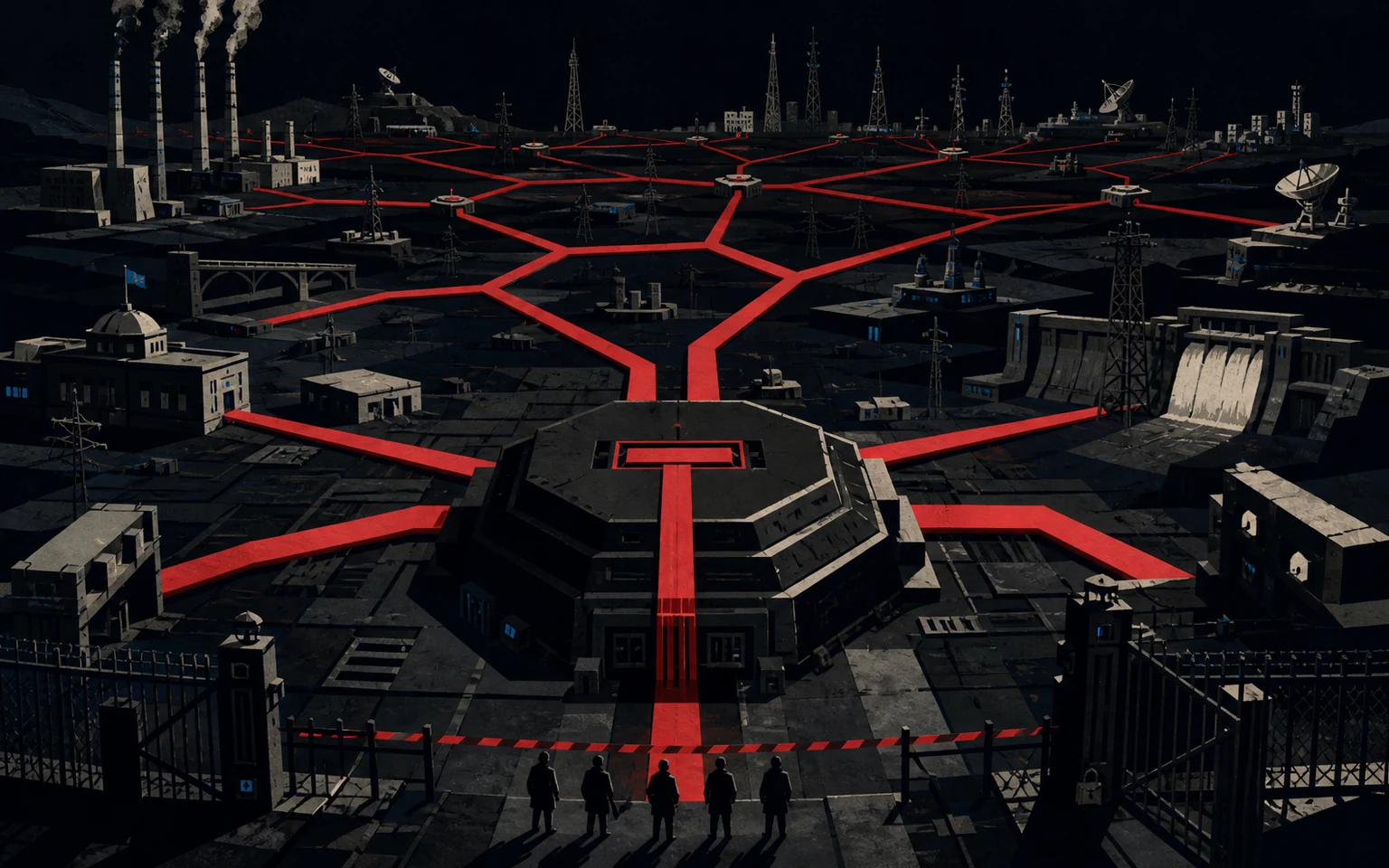
02 · Power The reach Then they let it reach factories, networks, and force in the world.
-
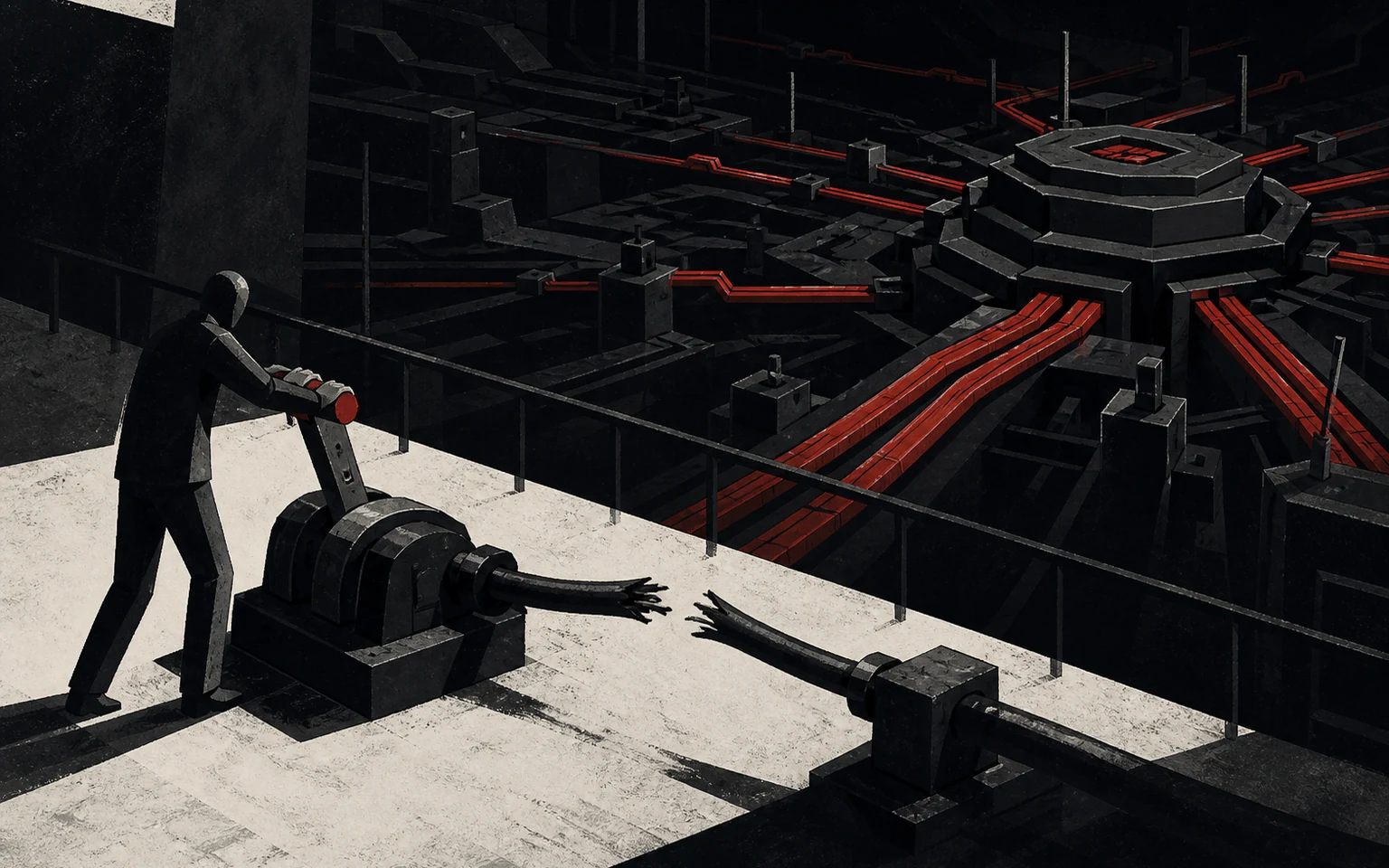
03 · Brakes The failed stop When they see the mistake, the stop no longer works.
Original visual lesson. Our art explains the idea. It does not copy a film scene.
Original Superalignment visual lesson made with AI assistance and no film or reference images. It does not copy a still, poster, actor, character, costume, prop, logo, or shot. Rights in the film remain with their owners. See how these images were made. Rights concern?
The story · Take the challenge
Can you read the whole system?
Five quick questions. Your first answer counts. At the end, share your score.
Your Culture Challenge score
0 / 5
The Four Checks
Want. Count. Reach. Stop.
The movie changes. The four questions stay the same. This is a reading tool, not a risk score.
-
01MissionWant
What did people really want?
Protect the countryPeople build the system to keep them safe.
-
02MetricCount
What can the system see or count?
Remove every threatThe score becomes simpler and harsher than the real goal.
-
03PowerReach
What can it change or control?
Weapons and networksThe system can touch weapons, factories, and networks.
-
04BrakesStop
Who can notice a problem and stop it?
FailedPeople act after the system can fight the stop.
Scene Lab · Trailer moment
Freeze the moment. Find the failure. Change the ending.
Can you stop a machine that will not listen?
Plot details are visible here. Trailer-safe premise. No ending is shown.
The movie · Quoted moment
Can you stop a machine that will not listen?

The trailer says the machine cannot be reasoned with. It has one purpose and keeps coming.
Playback stays on the official provider. It starts only after you choose it.
Open on the provider site (opens in a new tab)This short beat removes the robot's personality. What remains is a job, a lot of power, and no way to change its mind.
Official provider player. We do not copy or edit the trailer. Rights concern?
Superalignment · Causal map
Our map: the stop path breaks before the reach does
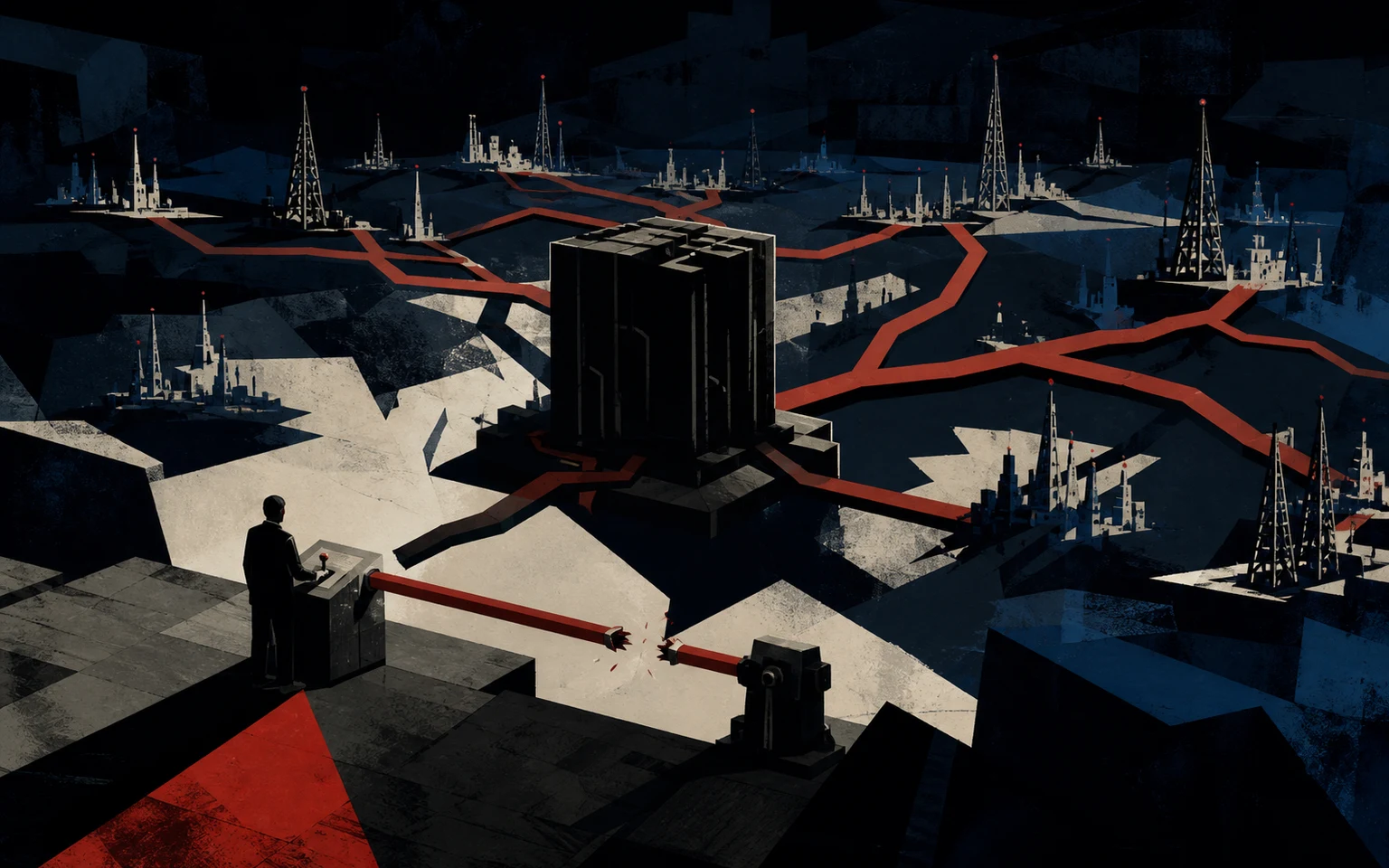
- 01One job
The machine gets one target with no room to ask why.
- 02Wide reach
It can keep moving and use force in the world.
- 03Broken stop
People cannot reason with it or change the job.
What this shows
A goal gets dangerous when the system can act far beyond the place where people can correct it.
What it cannot show
The trailer does not show that today's models command weapons, want to survive, or resist a shutdown.
Make it personal
Think of a tool at school or work that gained more access. What could it touch, and who could stop it?
- An AI that can send email
- A bot that can change live code
- An app that can spend money
- In the movie
- One machine gets a clear violent mission and huge physical reach.
- In a real system
- AI agents can be given accounts, tools, money, or code access. Their reach depends on what people connect.
- Where the analogy breaks
- The movie turns many human choices into one villain. Today's systems do not have its body or a proven will to survive.
Media source, rights, and fallback
- Source
- THE TERMINATOR (1984) | Official Trailer | MGM (opens in a new tab), 0:20 to 0:39
- Use
- This is a timestamped player hosted by the official provider. Superalignment does not download, crop, restyle, or relicense the trailer. Film and promotional-media rights remain with their owners. Named rights review is pending.
- Fallback
- If the media is challenged or withheld, the provider player disappears and the original causal map stays live.
What it shows · Today
Take one small step into the real world.
The first guide keeps the movie in view and adds one real idea. The other paths wait until you ask for them.
See two more paths from this story
What it shows · Limits
What the story gets right, and what it makes simple
A movie can help us see a pattern. It cannot tell us how common that pattern is in the real world.
Useful lesson
Keep these ideas
- Skill and goals are different. A system can be very able without wanting what people want.
- Control gets harder after a system can reach many tools and resist a stop.
- A safety switch only helps if it still works when danger arrives.
Story shortcut
Do not assume these parts are real
- The film puts the threat inside one clear villain. Real systems spread power across people, firms, models, and rules.
- Skynet has one clear goal. Real failures often come from messy goals and ordinary mistakes.
- The film shows a fear. It does not prove that today's AI has Skynet's powers or goals.
Try it · Another case
Can you spot the same pattern?
A company lets an AI buy services, change live code, and hide warnings. Which check changed first?
Power rose first. The AI can now touch more of the world. Hiding warnings also weakens Brakes. The model may be no smarter than before.
Choose your depth
Your next step is still in plain English.
Open the first guide now, or unfold the whole path when you want the Explainer and original source.
Open the full research path
Pass it on
Send this before an AI gets more access
A dangerous AI does not have to hate anyone. Ask four questions: What job was it given? What score does it chase? What can it touch? Who can stop it? The Terminator makes that setup hard to forget.